

Every year, Medicare open enrollment runs from October 15 to December 7. Every year, the weeks leading up to it bring a surge of calls, texts and official-looking mail. This year the surge started early, and it is heavier than usual.
The reason is simple. During enrollment season, a call about your Medicare plan is plausible. Plans really are changing. Notices really are arriving. Scammers do not have to invent a reason to be calling. The season provides one.
What they are actually after
Not your bank account, usually. Your Medicare number.
A Medicare number can be used to bill for services you never received, over and over, for months. It does not show up as a missing withdrawal. It shows up on a Medicare Summary Notice that most people skim, if they open it at all. That delay is the whole point.
What the calls sound like
The scripts change a little each year, but the shapes repeat.
Someone calls to verify your information for next year’s coverage. Someone says your benefits are ending or your plan is being discontinued unless you confirm a few details. Someone offers a new card, sometimes plastic, sometimes described as gold. Someone offers free equipment, a grocery card, or genetic testing. Someone gives you a deadline that is not a real deadline.
The common thread is urgency. A real notice gives you until December 7. A scam gives you until the end of the call.
The new one this year
Health systems around the country have been warning patients about a phishing message that arrives by email or text rather than by phone. It offers a free kit or a senior health package, and it borrows the name of MyChart or a familiar hospital to look legitimate. The goal is a click or a form, and the form asks for your Medicare number.
It is worth knowing about because it does not feel like a phone scam. There is no pushy caller. It looks like housekeeping from your own doctor’s office.
The one rule
Medicare does not call you out of the blue to ask for your Medicare number, your Social Security number, or your banking information. Neither does a legitimate insurance agent, who is not permitted to cold call you for your business in the first place.
If someone contacted you first and is asking for any of those, that settles it. You do not need to figure out whether the caller is real. The call being unexpected is the answer.
What real contact looks like
Your Annual Notice of Change arrives by mail in September from the plan you are already in. It explains what is changing in your coverage for next year. It does not ask you to call and confirm anything.
If you want to compare plans, the comparison tool on Medicare.gov shows what is available where you live. Your state’s SHIP program offers free counseling from someone who is not paid on commission. Both are reachable through 1-800-MEDICARE.
If you already gave something up
It happens, and it happens to careful people. Call 1-800-MEDICARE, then report it at ReportFraud.ftc.gov. Your local Senior Medicare Patrol helps specifically with Medicare fraud and can walk you through what to watch for next.
Then keep your Medicare Summary Notices for the next few months and actually read them. Fraudulent billing is the part that shows up later, quietly, after the call is long forgotten.
Why we are writing about this
Because we see the mail and the statements, this is one of the places where being close to someone’s everyday financial life matters in a very concrete way. A strange charge, a notice for a service nobody received, a plan that changed without anyone agreeing to it: those surface faster when somebody is looking at them regularly.
For our clients, that is already happening. For everyone else, the next eleven weeks are worth a little extra suspicion when the phone rings.
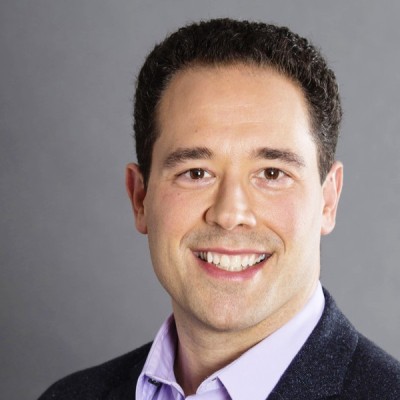
Jeremy Zizmor is the founder of Assurance Family Partners, a company whose mission is to assist and empower individuals and families who need help managing their personal day-to-day finances. He is responsible for running all facets of the business.